11 significant history facts interpreted differently by other countries
2018. 2. 9.
조회수 11,383
It is hard to believe the way they treat the same historical events in different countries.
It may seem that history is a sequence of accomplished facts and we have no reasons for any dubious interpretation. But in reality it turns out to be otherwise.
Here is a collection of several examples, proving that history is one of the most inexact sciences.
#1 Who won the Battle of Waterloo?

- In French schools they teach that Battle of Waterloo was won by the French.
- In British schools - it's the other way around.
- In British schools - it's the other way around.
#2 Controversy about the Hundred Years' War
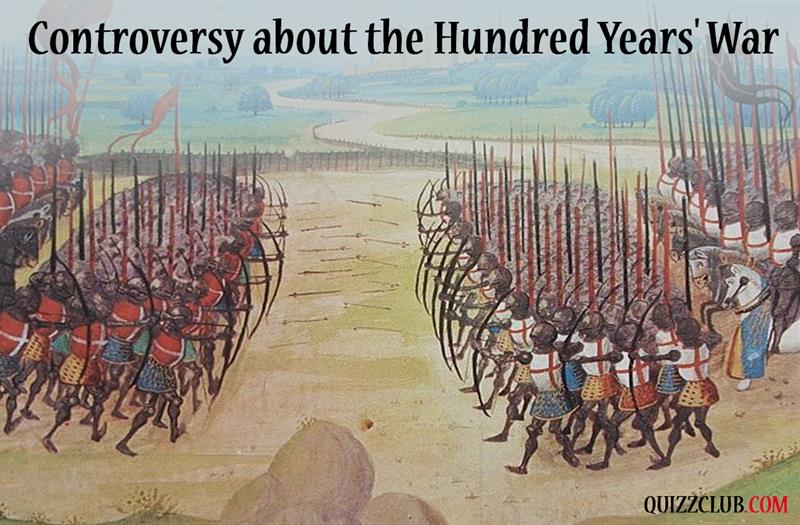
One of the most prominent battles of the Hundred Years' War is the one of Agincourt, between Britain and France. Being seriously superior in number, the French were still defeated.
- In France they pay practically no attention to this event in school classes.
- At the same time in Great Britain this battle is presented as practically the only battle of the Middle Ages.
- In France they pay practically no attention to this event in school classes.
- At the same time in Great Britain this battle is presented as practically the only battle of the Middle Ages.
#3 How history was taught in Nazi Germany
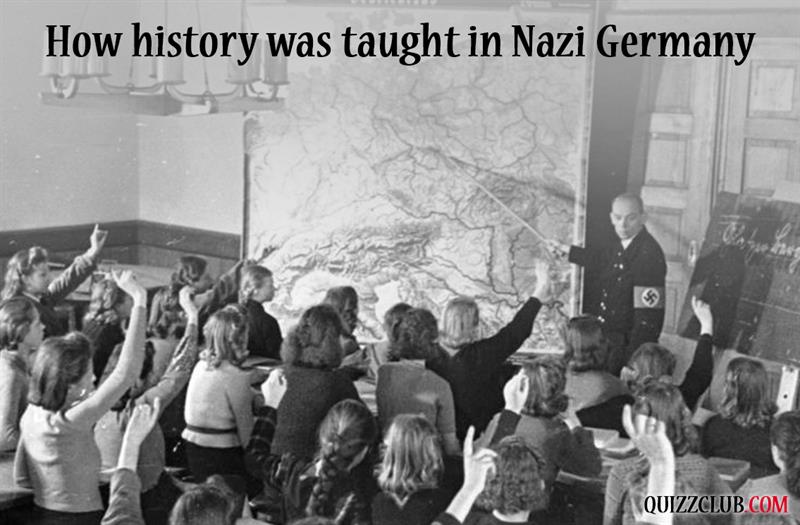
At the suggestion of Adolf Hitler, history in German Junior schools in the 30s of the 20th century was taught backwards - from modern to ancient times. First hero of the nation was Hitler, followed by other famous historical and mythical personalities.
#4 Ways to study World War II
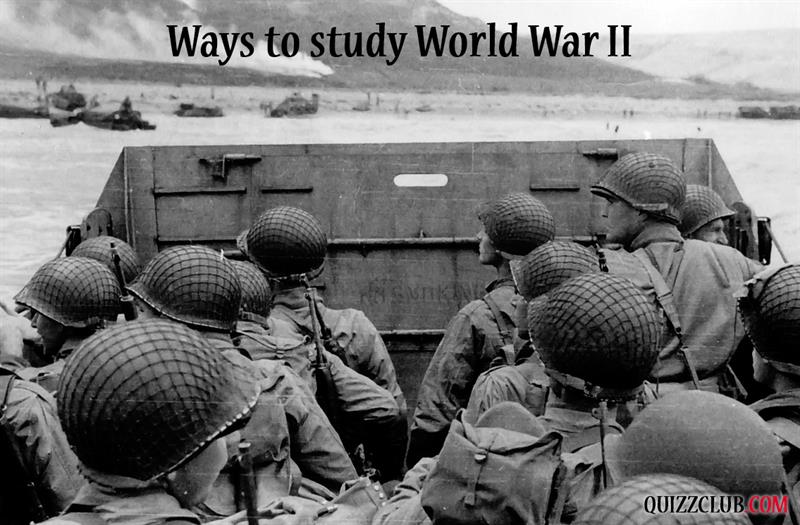
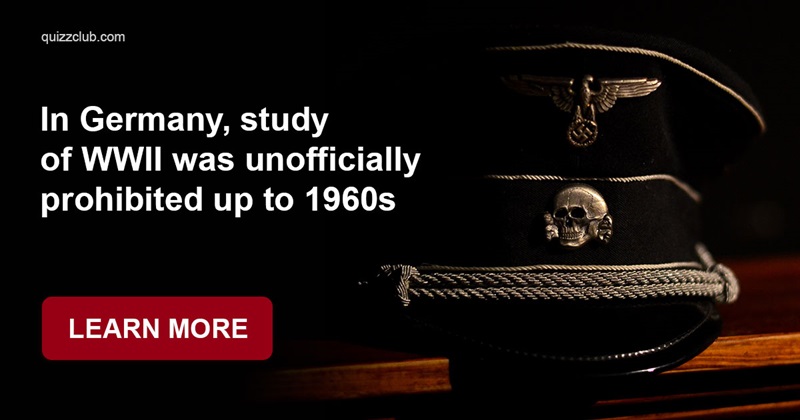
- In Germany they study WWII very thoroughly and not only during history lessons. Modern Germans want to learn from mistakes and not run from them. Unlike their parents' generation: up to 1960s study of WWII was unofficially prohibited.
- US schoolchildren pay much less attention to the study of the Second World War. In fact, all they know about Germany - is a short history of WWII and Berlin Wall demolition. After that Germany disappears from their history books.
- In Great Britain they study history already in Elementary school. Children learn about the Norman conquest, about industrial revolution, the Tudor period (17th century) and WWII. In High school they return to it, choosing a certain specialization.
- In Russian schools, history of WWII is often limited by the period of Soviet Union's immediate participation. Many schoolchildren and even grown-ups often believe that WWII ended on May 9, 1945 (the day of Germany's capitulation). While officially the war ended on September 2 of the same year, when Japanese Instrument of Surrender was signed. The commonly believed key battle of the war is the Battle of Stalingrad.
- US schoolchildren pay much less attention to the study of the Second World War. In fact, all they know about Germany - is a short history of WWII and Berlin Wall demolition. After that Germany disappears from their history books.
- In Great Britain they study history already in Elementary school. Children learn about the Norman conquest, about industrial revolution, the Tudor period (17th century) and WWII. In High school they return to it, choosing a certain specialization.
- In Russian schools, history of WWII is often limited by the period of Soviet Union's immediate participation. Many schoolchildren and even grown-ups often believe that WWII ended on May 9, 1945 (the day of Germany's capitulation). While officially the war ended on September 2 of the same year, when Japanese Instrument of Surrender was signed. The commonly believed key battle of the war is the Battle of Stalingrad.
#5 Japanese barely know the history of the 20th century
In Japanese schools the period from "Homo erectus" till present time is covered within almost one year of study. No wonder, 20th century is left for "home reading" only. And this doesn't help either.
For example, there is only one line in the textbooks mentioning Nanking Massacre, when, according to various estimations, Japanese troops killed from 40 to more than 300 thousands Chinese disarmed soldiers and civilians.
For example, there is only one line in the textbooks mentioning Nanking Massacre, when, according to various estimations, Japanese troops killed from 40 to more than 300 thousands Chinese disarmed soldiers and civilians.
#6 Importance of struggle for independence in USA and other countries
- In the USA, American War of Independence is presented as one of the most significant events for the history of the whole world. However, other countries stick to another opinion on that point.
- In Great Britain there is no such topic in the official educational programme, though the event can be mentioned during discussions. And the point is that the revolutionaries succeeded thanks to the sponsorship of the French.
- In Hungary, this event is mentioned in classes as one of preconditions of the French revolution. There is a detailed description of "Boston Tea Party" protest action in the textbooks, as well as there is a poster of that time "Join, or die", but nothing more than that.
- In India this event is not mentioned at all at history classes.
- In Great Britain there is no such topic in the official educational programme, though the event can be mentioned during discussions. And the point is that the revolutionaries succeeded thanks to the sponsorship of the French.
- In Hungary, this event is mentioned in classes as one of preconditions of the French revolution. There is a detailed description of "Boston Tea Party" protest action in the textbooks, as well as there is a poster of that time "Join, or die", but nothing more than that.
- In India this event is not mentioned at all at history classes.
#7 Texas independence

There was a period in the history of Texas, when this territory declared its independence and became a republic. But there is no general agreement on that point.
- In Mexico, history teachers say Texas has never been a separate country. Its land was "empty" after the war, until USA bought it.
Meanwhile, in Texas they teach that they won the war and became an independent republic with Sam Houston as president.
- In most other countries during history classes this event is not mentioned at all.
- In Mexico, history teachers say Texas has never been a separate country. Its land was "empty" after the war, until USA bought it.
Meanwhile, in Texas they teach that they won the war and became an independent republic with Sam Houston as president.
- In most other countries during history classes this event is not mentioned at all.
#8 Who won in Dunkirk (France)
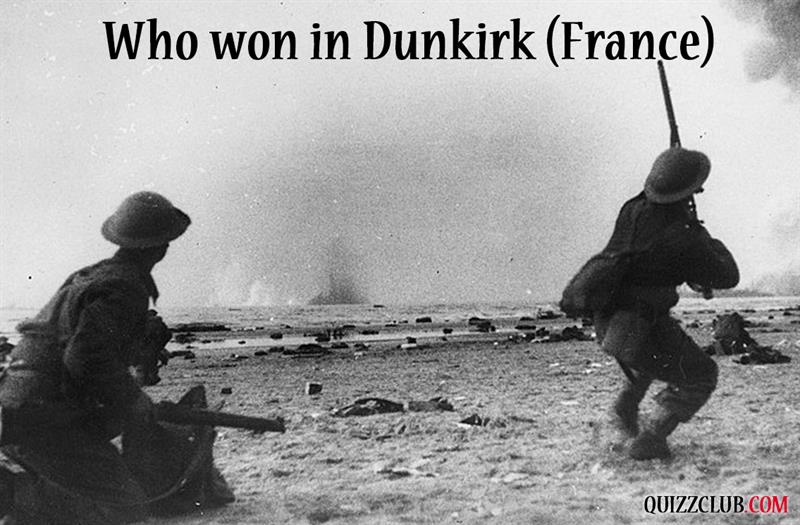
Dunkirk episode is one of the most significant events of the Second World War. British corps together with a part of French troops were retreating under attacks of German army. When the allies were surrounded, the British command organized immediate evacuation. As a result, 338 thousand soldiers were evacuated, including 123 thousand French soldiers.
This event is given a detailed account to both in France and Great Britain.
- In France they say about British army fleeing and leaving French troops to be killed by the enemy.
- In Great Britain this operation is regarded as a triumph.
This event is given a detailed account to both in France and Great Britain.
- In France they say about British army fleeing and leaving French troops to be killed by the enemy.
- In Great Britain this operation is regarded as a triumph.
#9 The way they teach history in Islamic countries
In religious Islamic countries the study of history is an integral part of the religious studies, so historical events are viewed through the prism of the Prophet's deeds. In this case, history is not a sequence of events in their chronological order but the victories of Islam and the Muslims' struggle for independence. The Middle Ages are presented in textbooks as macabre times, with Eastern countries prospering.
#10 Spain and The Conquest of Mexico
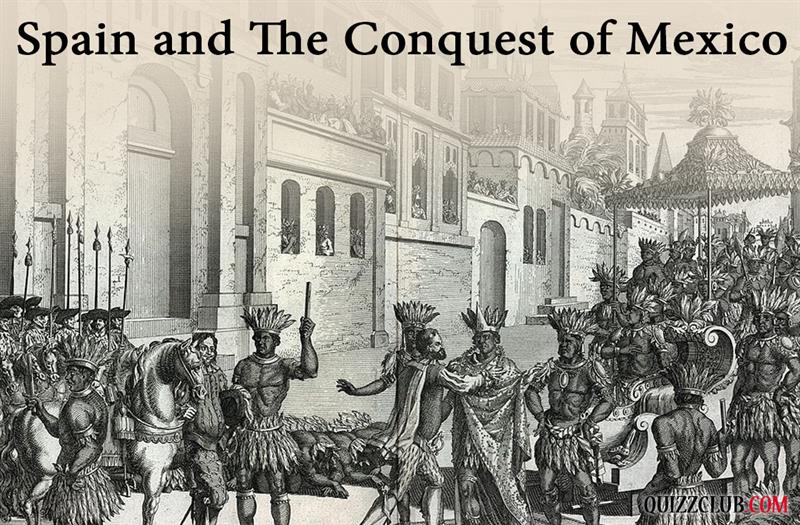
In Spain, religion has a strong influence. Most schoolchildren know history by a huge number of religious holidays (there are about 3000 of them in the country). There are also subjects, not reflected at all in most of the textbooks. For example, they just mention that Mexico and Peru were conquered.
But there is not a word about how they were lost.
- No word about the huge Spanish Empire from Cuba to Manilla and Guinea.
- Not a word about the kill of the Indians.
- Nothing about slave trading.
But there is not a word about how they were lost.
- No word about the huge Spanish Empire from Cuba to Manilla and Guinea.
- Not a word about the kill of the Indians.
- Nothing about slave trading.
#11 French comics-based study of history
In France, history is not taught in junior classes, but there is a programme of arousing activity running there and it has history only as an optional subject. Besides, the publishers felt the crisis of education and started to work on books where "outdated" historical narration is substituted with topical approach. The books were filled with lots of pictures and that turned the study of history completely into reading comics.
What do you think about this situation? Share you opinion in the comments!
Read more on QuizzClub.com:
Somerset Maugham's thoughtful quotes about life- Only true erudites know the hidden meaning of these words
- One mind-blowing story about gold that was left out of history books
Share this article and see if other people know the same history as you!
여러분의 의견을 자유롭게 공유해보세요
98 Comments

Alice Milne
What a a load of absolute trash! This is so unbelievably juvenile and tunnel-visioned that it simply takes my breath away. Don't believe this piffle. Read serious books on the subject from different countries and engage with people from there to get a better picture. And above all, be aware of how skewed your own country's view is.

Virginia Saltiel-Adams
War of 1812, very significant in Canada, when Americans tried to take Canada, and failed. Little attention paid to it in the States, but if they had won there would be no Canada. Can you imagine Trump as our leader!! 🇨🇦

Bob Rodger
Virginia Saltiel-Adams, yes I can see Trump as a leader of Canada or any other country. Someone please come and pick him up.

steve
My favorite quotation of all time is by the historian/philosopher George Santayana: "Those who cannot remember the past are condemned to repeat it." This is one of the reasons that we DO NOT learn. History is being taught on the basis of OPINION, rather than FACTS.
lmoores
In Australia we were not taught about The Revolutionary War, the American Civil War or the Spanish American War.
garrett scott
All reasonably thoughtful students world wide realize their education is biased by their mid teen years.

Agnes Forder
Going to primary school in both Scotland and England I was taught two versions of the same historical facts - the wars were another matter.

bina sarmah
Richard Adams, Now in USA , ppl are trying to erase the history because they don't like it and rewrite the way they want to hear.
bina sarmah
It depends who write history. Who they favor.

Nicholas Miernicki
Bob Hebblethwaite, This is correct.

davidmidgley
Virginia Saltiel-Adams, I can! You would be better off too!
micvall
I'd rather Trump than Trudeau. Look at the taxes we are paying now on the name of carbon enjoy !!!

Sean Philips
Richard Adams, somehow I doubt that you’ve ever read many books....
Sean Philips
Richard Adams, Justin Trudeau is Catholic 🙄 Try listening to or reading something other than Faux News!

Linalinda Eichin
Good to know
Alana King
In my opinion, all history is relative. If there is ever a matter that reminds one to not always believe what one is told and to come to one's conclusion, for me, it is historical events.
Everyone wants to be seen as the hero, and while there are two sides to every story, there is often bias to the victor.
It is up to the learner, to learn both sides, especially if we don't want certain parts of history to repeat themselves.

calkins valerie
Pat Larsen Gunn, and yet not very much truth to it at all.
calkins valerie
Richard Adams, YES YES AND YES!